JLL - No Going Back
Step into a museum of ancient workplaces and see how these office woes belong in the past. Experiencing any of these scenarios? It's time to move from workplaces that don't work for your organisation. See a brighter way with JLL.
Background
The core challenge addressed in this award entry centers on a fundamental disconnect between evolving work realities and traditional workplace thinking. Post COVID-19 workforce drove an unprecedented shift in how work gets done, yet organisational leadership remained anchored to pre-2020 workplace practices.
The Problem: While employees successfully adapted to remote and flexible working models, demonstrating sustained productivity and cultural engagement, the business world's decision-makers remained trapped in outdated office-centric thinking. This created a critical misalignment where C-suite executives perceived chaos and disruption rather than recognising transformational opportunities.
Creative Idea
The Strategic Approach: "No Going Back, Only Going Forward"
The campaign challenges the fundamental assumption driving post-pandemic workplace planning: "Do we need offices anymore?" Rather than treating remote work capabilities as a temporary solution to underperforming and outdated workplaces, it reframes this moment as an unprecedented opportunity to reimagine workplace solutions that benefit both organizations and employees. This insight crystallized into the rallying cry: "No Going Back, only going forward."
Creative Execution:
The campaign employs simple, emotional storytelling centered on universal "human truths" – workplace frustrations we've all experienced. By bringing these everyday office absurdities into the light with gentle humor, the approach makes the case for transformation both relatable and compelling, bringing the target audience along on the journey toward recognizing that there truly is no going back.
The Museum Metaphor:
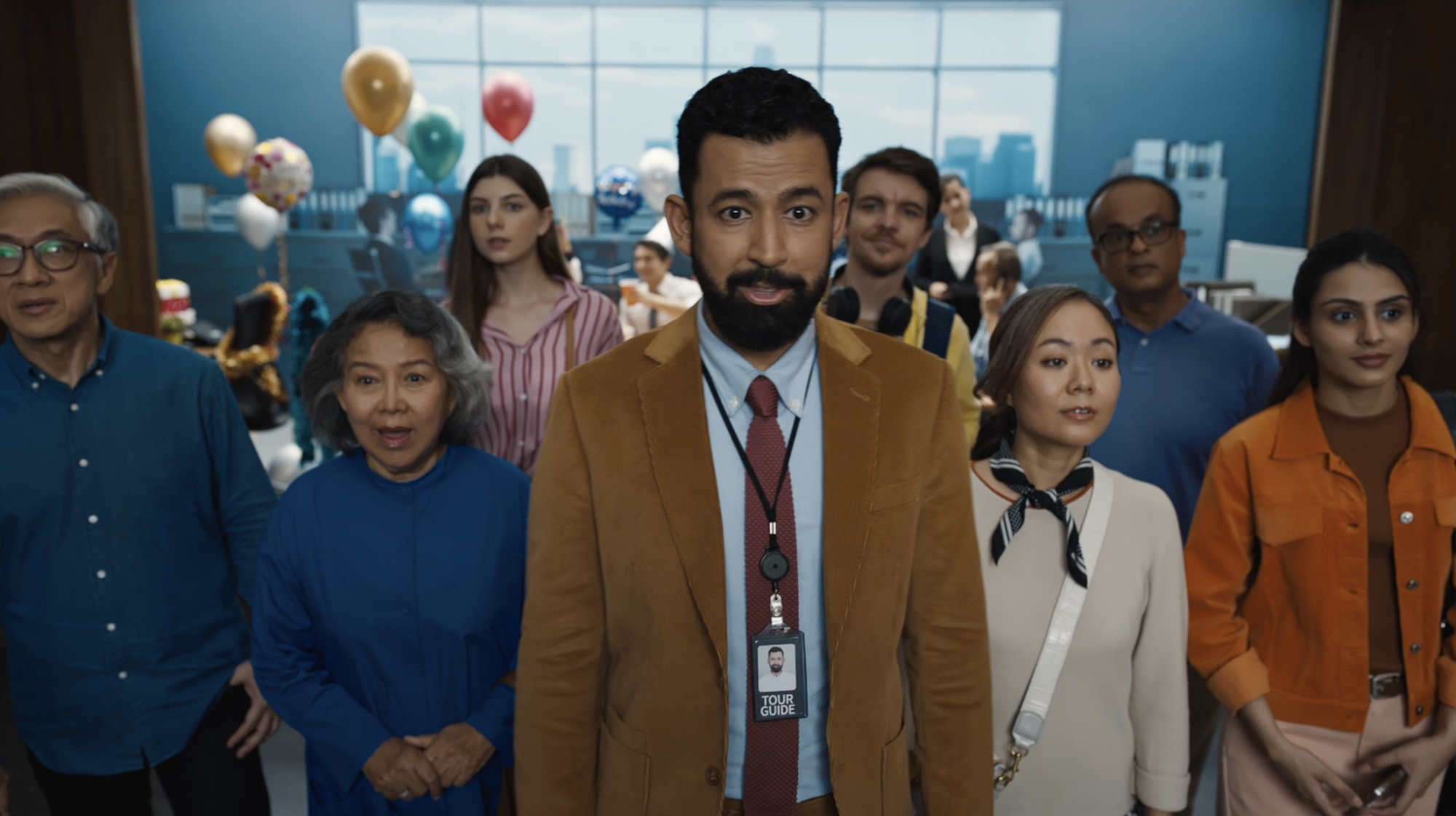
The creative solution positions a museum tour guide as the narrator, placing old-fashioned workplace problems exactly where they belong – in dramatized dioramas showcasing the "extinct" practices of pre-COVID workplaces. This museum setting serves a dual purpose: it creates psychological distance from outdated practices while gently poking fun at the genuinely ludicrous issues we've all endured in traditional office environments.
Emotional Impact:
By treating antiquated workplace norms as museum exhibits, the campaign transforms frustration into revelation. The humor disarms resistance while the museum metaphor makes it clear that these practices belong in the past, not the future. This approach makes the case for workplace evolution feel inevitable rather than threatening, encouraging forward-thinking rather than nostalgic resistance.
Insights & Strategy
Target Audience & Strategic Positioning:
This campaign strategically targets C-suite executives, business leaders, and company owners – the decision-makers who control commercial real estate investments. Rather than attempting to entice employees back to outdated offices, it focuses on educating leadership that commercial real estate solutions can address the root causes of declining office attendance. The goal is shifting perspective: helping organizations move beyond viewing workplace transformation as a crisis to manage, toward embracing it as an opportunity to create more cost-effective, flexible, and culturally-aligned work environments.
Data-Driven Insights:
The campaign leverages extensive proprietary customer survey data from both global and Asia-specific markets, providing confidence in identifying the key workplace concerns affecting both employees and business leaders. This research revealed four critical pain points that extend far beyond commuting challenges:
The "Big Four" Workplace Issues:
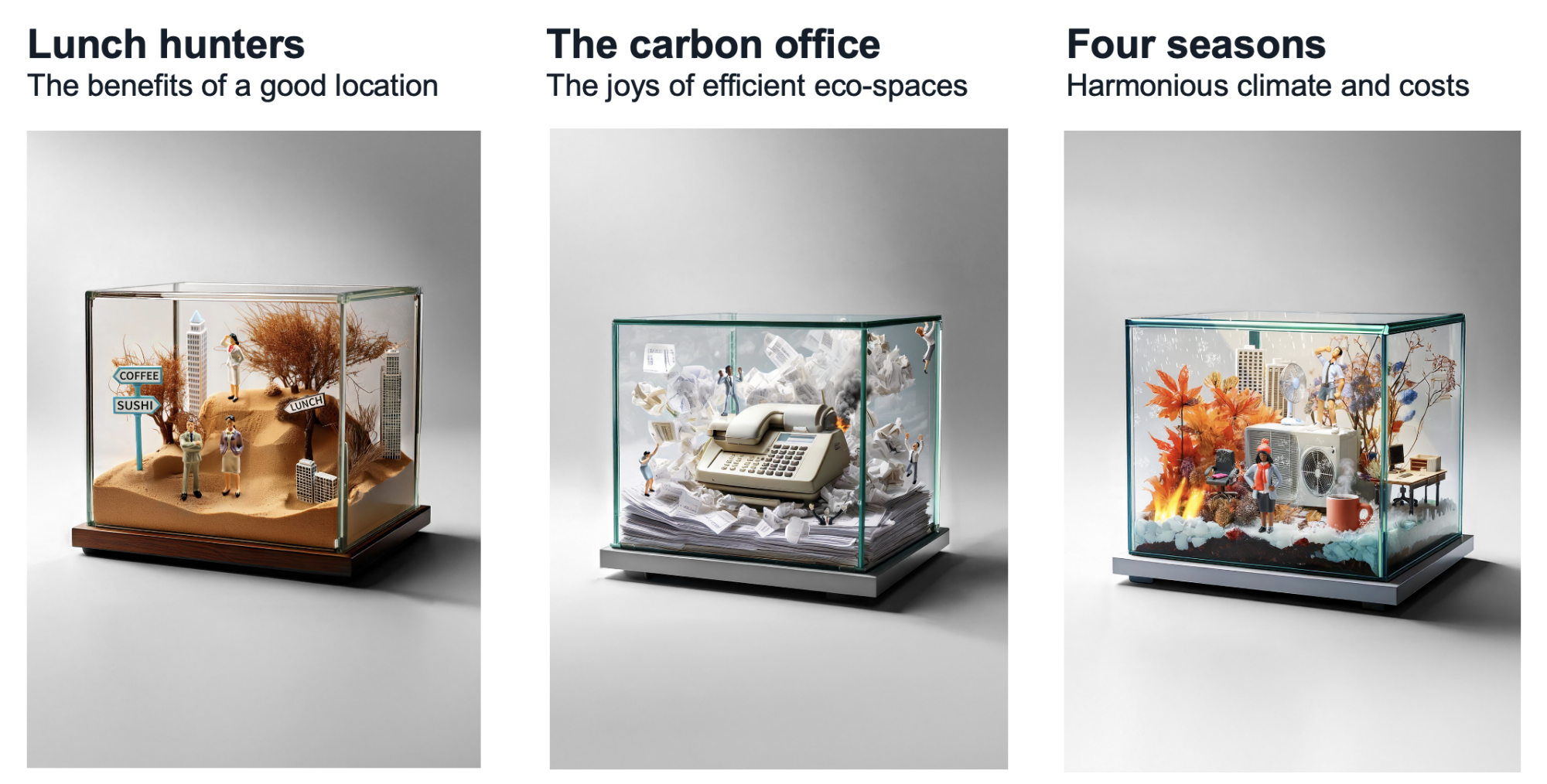
Outdated Physical Spaces – Sad, cramped, and poorly designed environments that lower morale, hinder productivity, and represent inefficient use of expensive square footage
Technology Deficiencies – Bad and outdated tech infrastructure that frustrates users and impedes efficiency
Sustainability & Wellness – Non-energy efficient spaces that neglect occupier wellbeing, where inefficient elevators, lighting, HVAC, and equipment significantly impact bottom-line operational costs
Location Strategy – Poor location choices identified as the aggregate number one driver behind Fortune 500 companies' failure to attract and retain talent across the APAC region
This data-driven foundation ensures the campaign addresses genuine business concerns with quantifiable impacts on both employee satisfaction and financial performance.
Execution
Creative Execution: The campaign employs simple, emotional storytelling centered on universal "human truths" – workplace frustrations we've all experienced. Every visual element reinforces an optimistic, upbeat aesthetic that feels pleasant and beautiful, yet grounded in that every day "human truth"; contrasting sharply with the outdated workplace practices being critiqued.
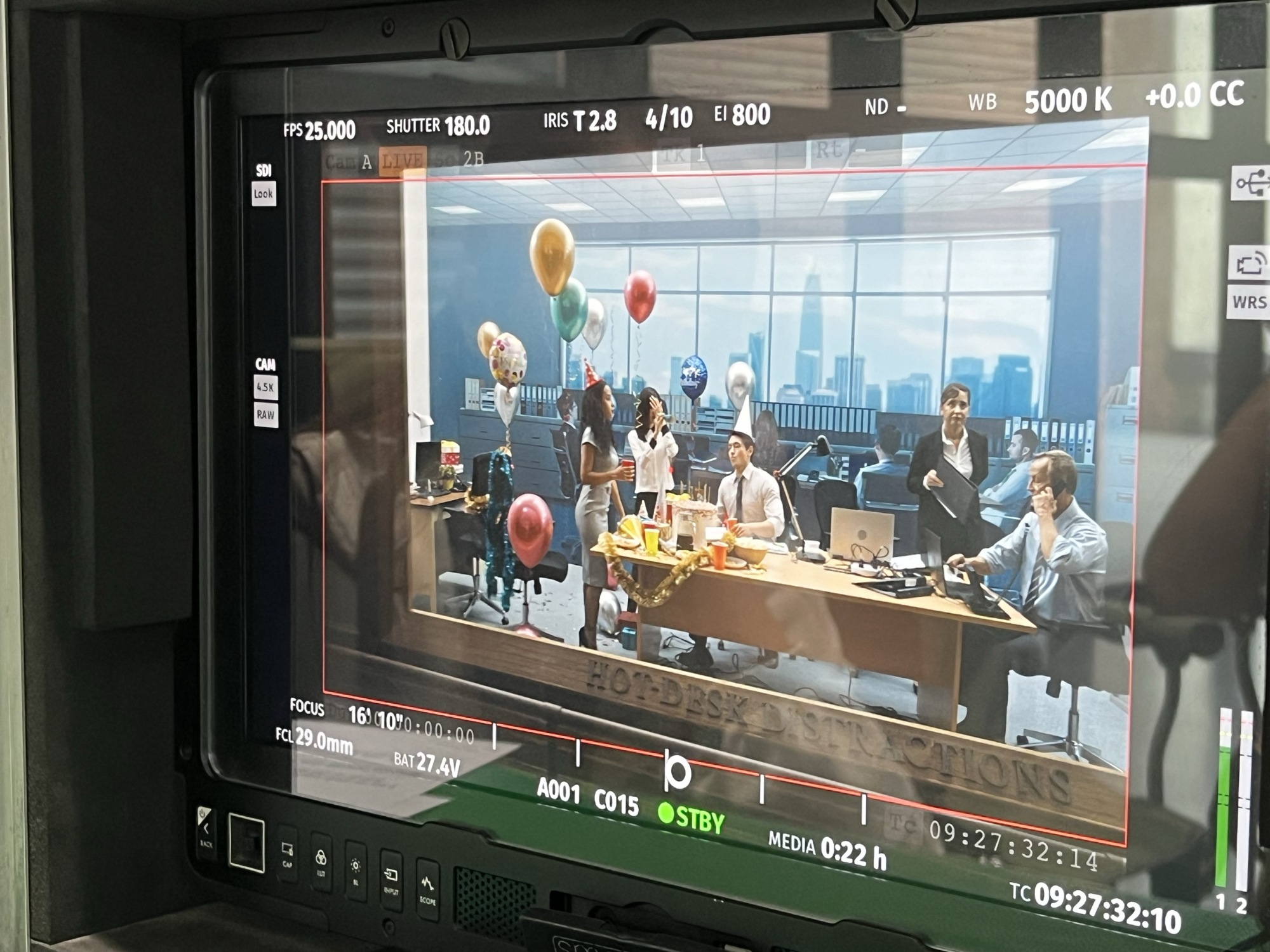
Cinematic Craft: The production utilised cinematographic techniques including wide-angle and anamorphic lenses to create a distinctive panoramic look with deep depth of field. Visual storytelling emphasised precise, often symmetrical framing with characteristic flat, centred compositions. Strategic camera movements, including dolly-zooms, heightened the gentle comedic aesthetic while maintaining professional credibility.
The Museum Metaphor: The creative solution positions a museum tour guide as narrator, placing old-fashioned workplace problems exactly where they belong – in dramatised with a physical build-out of dioramas showcasing "extinct" pre-COVID practices. Using real world museum setting and real people in the dioramas creates psychological distance to the outdated practices while gently poking fun at genuinely ludicrous office environments we've all endured.
Tone and Implementation: Sets, costumes, music, and lighting all lean into an optimistic, beautiful style that makes the content approachable rather than threatening. The museum framework transforms workplace criticism into entertaining education, making C-suite audiences receptive to change rather than defensive about current practices.
Quality Strategy: The campaign targeted decision-makers through premium business channels, so ensuring the high production values and strategic messaging reached the right influence-holders at the optimal moment for workplace transformation decisions was key.